

Modern Contemporary Design for Indian Homes
- Nov 24, 2025
- 4 min read
Updated: Mar 10
In recent years, Indian homes have witnessed a remarkable transformation in architectural and interior design trends. The shift towards modern home designs reflects a desire for simplicity, functionality, and elegance. Contemporary aesthetics blend seamlessly with traditional elements, creating spaces that are both stylish and comfortable. This blog explores how modern design principles can be adapted to Indian homes, offering practical tips and inspiring ideas for homeowners looking to refresh their living spaces.
Understanding Modern Home Designs in the Indian Context
Modern home designs focus on clean lines, open spaces, and minimalistic decor. In India, where homes often have to accommodate extended families and diverse cultural practices, modern design offers a way to balance tradition with innovation.
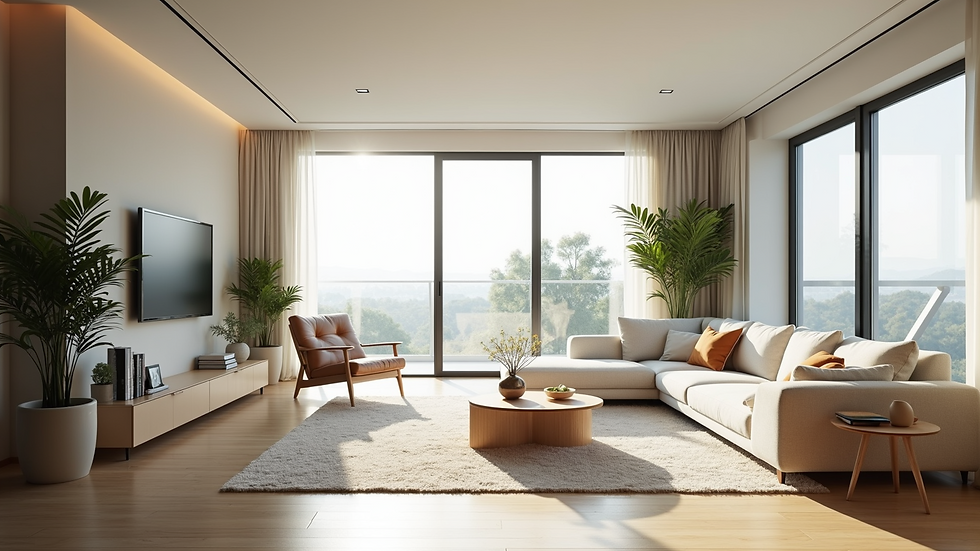
Open floor plans encourage natural light and ventilation, essential for Indian climates.
Use of neutral color palettes with occasional bold accents creates a calm yet vibrant atmosphere.
Incorporating natural materials like wood, stone, and bamboo adds warmth and texture.
Smart storage solutions help maintain clutter-free environments, which is crucial in busy Indian households.
For example, a living room with large windows and sliding glass doors can open up to a garden or balcony, blending indoor and outdoor living. This approach not only enhances aesthetics but also promotes healthier living by maximizing sunlight and fresh air.
Key Elements of Modern Home Designs
To create a modern home that suits Indian lifestyles, focus on these essential elements:
1. Functional Layouts
Modern homes prioritize functionality. Rooms are designed to serve multiple purposes without feeling cramped. For instance, a dining area can double as a workspace, or a guest room can transform into a home office.
2. Minimalist Decor
Less is more in modern design. Choose furniture with sleek profiles and avoid excessive ornamentation. Use statement pieces like a bold rug or an artistic light fixture to add character without overwhelming the space.
3. Integration of Technology
Smart home features such as automated lighting, climate control, and security systems enhance convenience and energy efficiency. These technologies are increasingly accessible and can be tailored to fit Indian homes.
4. Sustainable Materials
Eco-friendly materials and energy-efficient appliances are gaining popularity. Bamboo flooring, recycled wood furniture, and solar panels are excellent choices that align with modern values and reduce environmental impact.
5. Indoor-Outdoor Connection
Balconies, terraces, and courtyards are integral to Indian homes. Modern designs emphasize seamless transitions between indoor and outdoor areas, often using glass walls or sliding doors.
Incorporating Traditional Indian Elements in Modern Designs
While modern design emphasizes simplicity, Indian homes often cherish cultural heritage. The key is to blend traditional elements subtly without compromising the contemporary feel.
Use handcrafted textiles like block-printed cushions or silk curtains to add color and texture.
Incorporate ethnic art pieces or sculptures as focal points.
Choose wooden furniture with traditional carvings but in streamlined shapes.
Use jharokha-style windows or lattice screens as decorative yet functional elements.
This fusion creates a unique aesthetic that respects heritage while embracing modernity. For example, a modern living room with a neutral palette can be enlivened by a vibrant Rajasthani rug or a Madhubani painting.
Practical Tips for Designing Your Modern Contemporary Home
To achieve a successful modern home design, consider the following actionable recommendations:
Plan Your Space Wisely
Assess your family’s needs and daily routines. Prioritize open spaces and multifunctional rooms.
Choose Quality Over Quantity
Invest in durable, timeless furniture rather than trendy pieces that may quickly go out of style.
Focus on Lighting
Use a mix of natural and artificial lighting. Incorporate LED lights, pendant lamps, and floor lamps to create ambiance.
Select a Cohesive Color Scheme
Stick to a palette of 2-3 main colors. Use accent colors sparingly to maintain harmony.
Incorporate Greenery
Indoor plants improve air quality and add a refreshing touch to modern interiors.
Use Technology Thoughtfully
Integrate smart devices that simplify life without cluttering the space.
Work with Professionals
Collaborate with architects and interior designers who understand modern aesthetics and Indian cultural nuances.
For those interested in exploring professional options, modern contemporary house design services offer customized solutions that blend style and functionality perfectly.
Enhancing Outdoor Spaces in Modern Indian Homes
Outdoor areas are vital in Indian homes for relaxation, social gatherings, and connecting with nature. Modern design encourages creating versatile outdoor spaces that complement the interior.
Use minimalist garden furniture with clean lines.
Incorporate water features like small fountains for a calming effect.
Design vertical gardens or green walls to maximize greenery in limited spaces.
Use natural stone or wooden decking for flooring to maintain an organic look.
Lighting plays a crucial role in outdoor spaces. Solar-powered garden lights or LED strips can highlight pathways and plants, creating a cozy atmosphere for evening use.
By thoughtfully designing outdoor areas, homeowners can extend their living space and enjoy the benefits of nature right at their doorstep.
Modern home designs in India are evolving to meet contemporary needs while honoring cultural roots. By embracing simplicity, functionality, and sustainability, Indian homes can become havens of comfort and style. Whether you are renovating an existing home or building a new one, integrating modern design principles will ensure your space is timeless, efficient, and beautiful.


Comments